
Can Allergies Make You Tired How To Beat Allergy Fatigue? Allergies are a common condition that affects millions of people worldwide. They occur when the immune system overreacts to certain substances, known as allergens, and produces symptoms such as sneezing, itching, and congestion. While allergies can be uncomfortable and even debilitating at times, one lesser-known symptom is fatigue. Allergy-related fatigue occurs when the body’s immune response to allergens causes inflammation and releases chemicals that can make you feel tired and drained.
But don’t worry, there are ways to beat allergy fatigue and get back to feeling like your energetic self. In this guide, we will discuss the connection between allergies and fatigue, factors that contribute to allergy-related tiredness, tips for managing allergy symptoms, and lifestyle changes you can make to beat allergy fatigue.
Allergy fatigue is a common symptom experienced by individuals who have allergies. It is a feeling of extreme tiredness and lack of energy that can significantly impact daily activities and overall quality of life. Allergy fatigue is often described as feeling exhausted, drained, or just not having enough energy to get through the day.
This type of fatigue is different from regular tiredness or being fatigued due to lack of sleep. Allergy fatigue is caused by the body’s immune response to allergens, which can trigger inflammation and release chemicals that make you feel tired.
Plus, having allergies can also disrupt your sleep quality, leading to further fatigue and exhaustion. This is because when allergens are present in the air, they can cause congestion and difficulty breathing, which can interrupt sleep patterns.
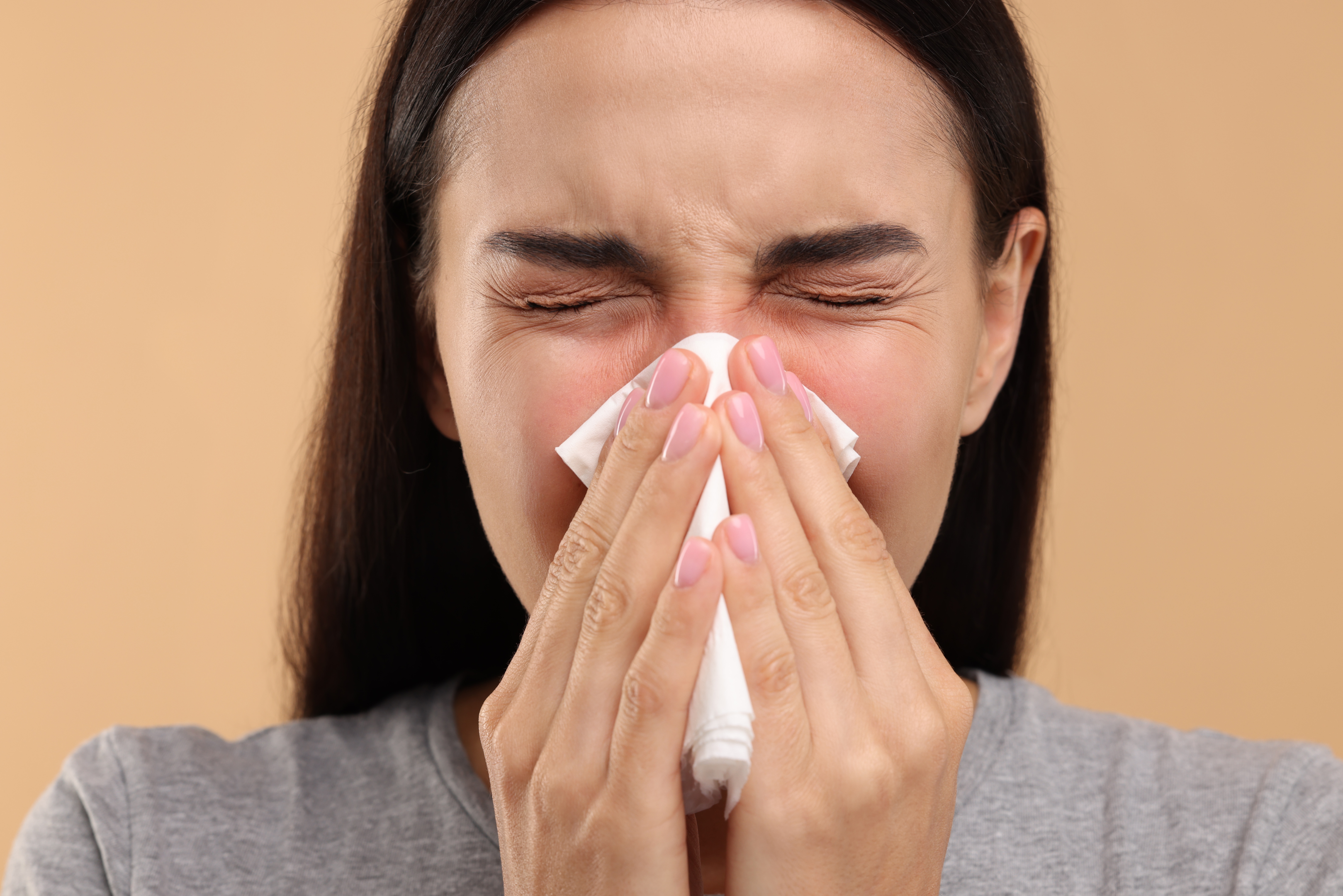
Some people may question whether allergies can actually make you tired, and the answer is yes. Allergies can cause a range of symptoms, including fatigue, due to the body’s immune response to allergens.
When your body detects an allergen, it triggers the release of histamine and other chemicals that help fight off the perceived threat. These chemicals also cause inflammation in the body, leading to common allergy symptoms such as sneezing, itching, and congestion.
But in addition to these symptoms, histamine can also make you feel tired. Histamine is a neurotransmitter that plays a role in regulating sleep cycles, and when it is released in large amounts during an allergic reaction, it can disrupt your normal sleep patterns and leave you feeling exhausted.
Furthermore, allergies can also cause other symptoms that contribute to fatigue. For example, if you have a food allergy and accidentally consume the allergen, it can cause gastrointestinal issues such as bloating and diarrhea that can deplete your energy levels.
Plus, allergies can also cause stress and anxiety, which can lead to fatigue. Constantly dealing with allergy symptoms and worrying about potential reactions can be mentally and physically draining.
So you can say that allergies can indeed make you tired, and it’s important to address these symptoms to improve your overall well-being. But the good news is that there are ways to beat allergy fatigue and reclaim your energy levels.
The best way to beat allergy-related fatigue is by managing your allergy symptoms effectively. Here are some tips that can help:
By following these tips, you can effectively manage your allergy symptoms and fix allergy fatigue. But in addition to these strategies, there are also lifestyle changes you can make to help beat allergy fatigue.
There are various methods to beat allergy fatigue, from managing symptoms to making changes in your daily routine. Here are some tips that can help:
It’s important to identify your allergens and take steps to avoid them as much as possible. This can include staying indoors during peak pollen times, wearing a mask when doing outdoor activities, and regularly cleaning your home to reduce allergen exposure. Taking medication such as antihistamines can also help alleviate symptoms and improve sleep quality. Additionally, trying natural remedies and reducing stress can also contribute to managing allergies and reducing fatigue.
Making lifestyle changes such as staying hydrated, eating a balanced diet rich in nutrients, and exercising regularly can also help boost your energy levels. Regular exercise has been shown to improve sleep quality and reduce stress, both of which can contribute to allergy fatigue.
Another important aspect is getting enough rest. Make sure to prioritize sleep and aim for at least 7-9 hours of quality sleep each night. This can help your body recover from the day’s activities and alleviate fatigue.
It’s also beneficial to focus on self-care and practice relaxation techniques such as meditation, yoga, or deep breathing. These activities can not only reduce stress but also calm the mind and improve overall well-being.
Lastly, it’s crucial to consult with your doctor if you are experiencing severe allergy symptoms and fatigue. They can provide additional recommendations and possibly prescribe stronger medication or allergy shots to help manage your allergies effectively.
While allergies are primarily caused by environmental factors, diet can also play a role in managing symptoms and reducing fatigue. Certain foods can trigger allergic reactions or worsen existing ones, leading to increased fatigue.
Some common allergenic foods include peanuts, tree nuts, dairy products, wheat, and shellfish. If you have food allergies, it’s important to read labels carefully and avoid these trigger foods.
In addition to avoiding allergens, incorporating nutrient-rich foods into your diet can also help boost your energy levels. Foods that are high in vitamin C, such as citrus fruits and leafy greens, have anti-inflammatory properties that can alleviate allergy symptoms.
Omega-3 fatty acids found in fish, nuts, and seeds can also help reduce inflammation in the body and improve overall health. Probiotic-rich foods, such as yogurt and sauerkraut, can also support a healthy gut and immune system, which can aid in managing allergies.
On the other hand, it’s important to limit or avoid foods that can worsen allergies and contribute to fatigue. These include processed foods, artificial sweeteners, and excess sugar and caffeine.

While there are many strategies for managing allergies and reducing fatigue, there are also mistakes that individuals commonly make that can worsen their symptoms. Here are some common mistakes to avoid:
By avoiding these mistakes and implementing the tips mentioned earlier, you can effectively manage your allergies and beat fatigue. Remember to consult with your doctor for personalized recommendations and make lifestyle changes that support your overall health and well-being.
Yes, seasonal allergies can indeed lead to feelings of fatigue. This is because the body’s immune response to allergens like pollen, pet dander, or mold can cause uncomfortable symptoms such as a runny nose, nasal congestion, and itchy eyes, which may disrupt sleep patterns. The effort your body puts into fighting these allergens can also contribute to overall tiredness during allergy season.
Certain allergy medications, particularly some antihistamines, can induce drowsiness as a side effect, affecting both nighttime sleep and daytime alertness. To prevent allergy fatigue, consider opting for non-drowsy formulas specifically designed to relieve allergy symptoms without causing sleepiness. Always consult with a healthcare provider for recommendations suited to your specific needs and health conditions.
Nasal congestion, a common symptom of allergies, can lead to difficulties in breathing through the nose during sleep. This can increase the risk of sleep disturbances, including sleep apnea—a condition characterized by repeated breathing interruptions during sleep. Sleep apnea can significantly impact the quality of rest, leading to daytime fatigue. Managing nasal congestion with appropriate allergy treatments can help alleviate these issues and improve sleep quality.
In conclusion, allergies can cause a range of symptoms, including fatigue. But with the right strategies and lifestyle changes, you can effectively manage your allergies and reduce fatigue. It’s essential to identify your allergens, take medication as prescribed, make dietary changes, and prioritize self-care to beat allergy fatigue.
Remember to consult with your doctor for personalized advice and make sure to avoid common mistakes that can worsen symptoms. By following these tips, you can improve your overall health and well-being while managing your allergies effectively. Don’t let allergies hold you back – take control of your health and beat allergy fatigue today!
So, it’s important to stay informed about the latest research and recommendations for managing allergies and fatigue. And most importantly, don’t hesitate to seek help from a healthcare professional if your symptoms become unmanageable. With the right strategies and support, you can lead a fulfilling life even with allergies.

Intolerance Lab, Jarrow Business
Centre Viking Industrial Park,
Jarrow, NE32 3DT

